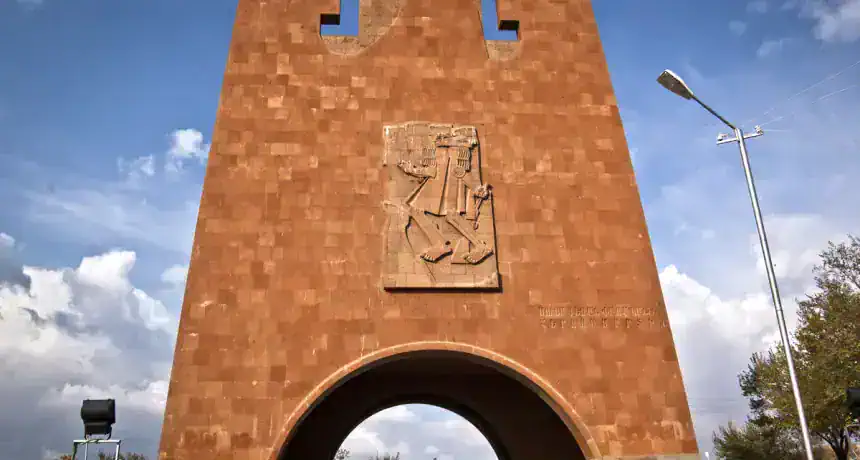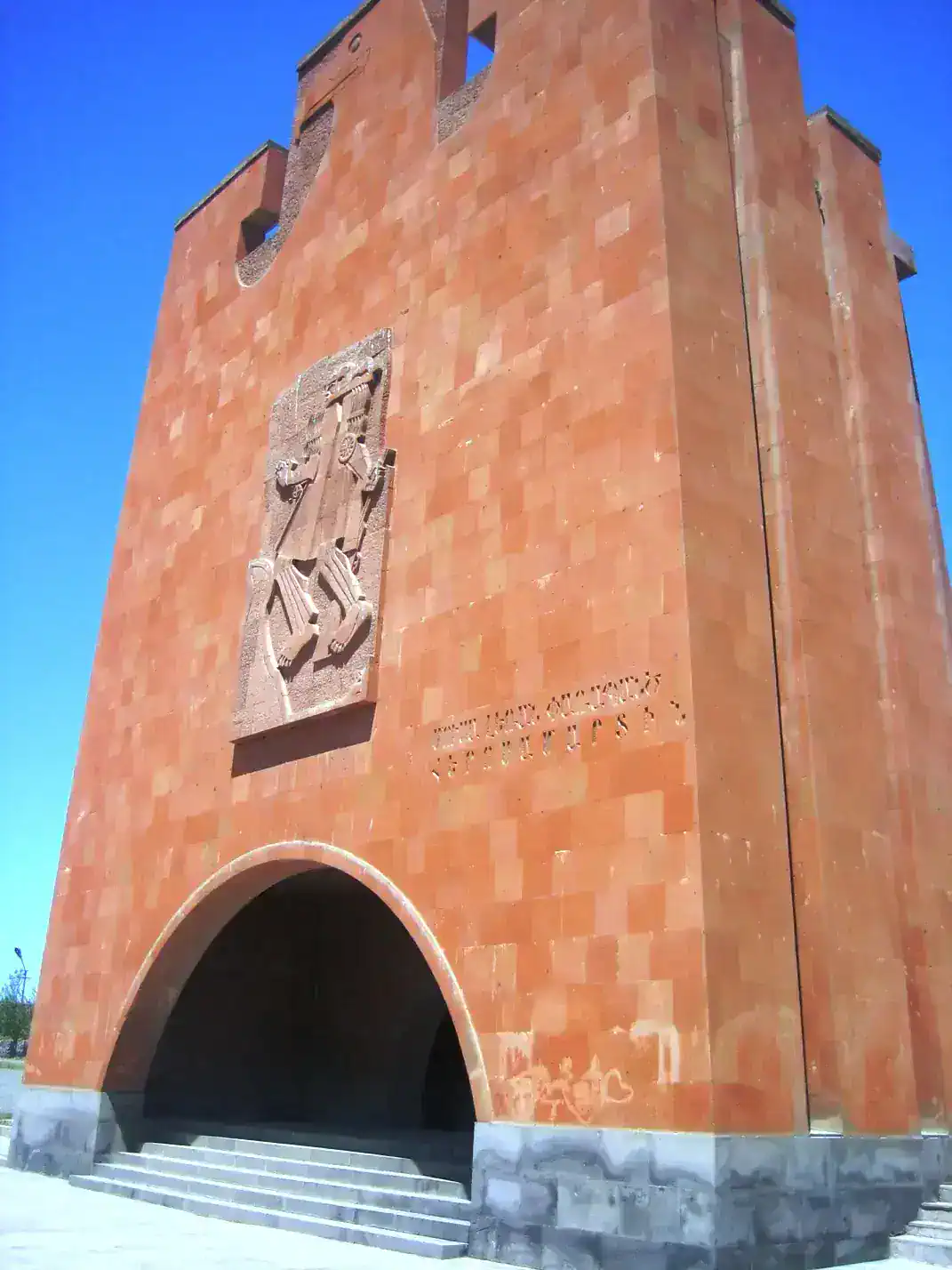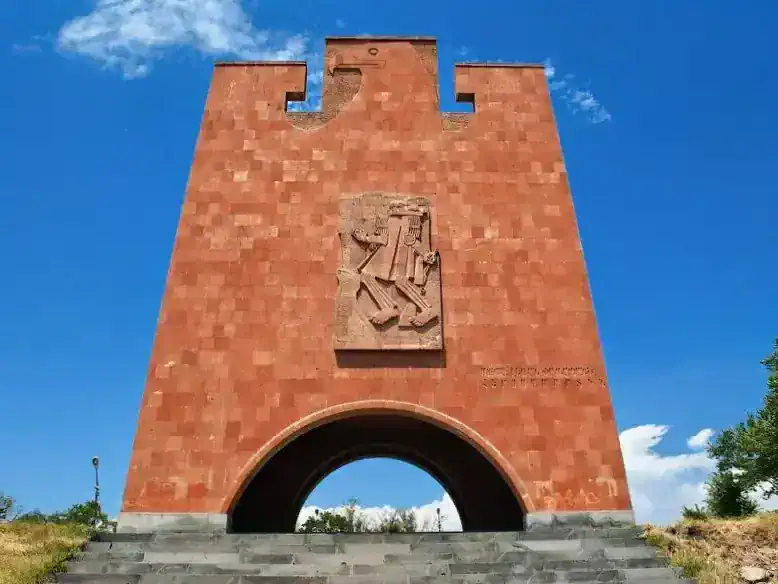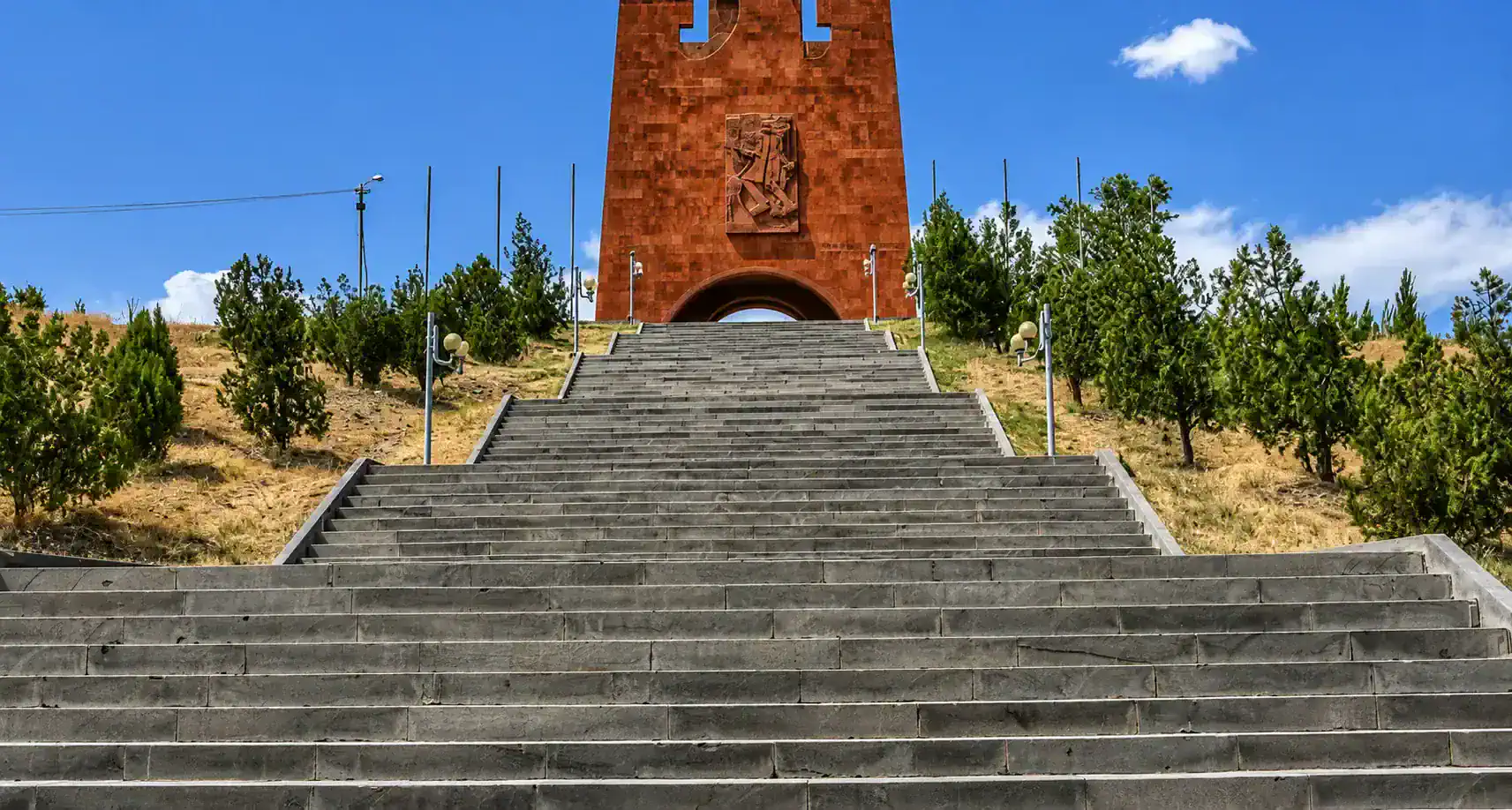
The Musa Ler Memorial stands on a hill above the village of Musaler in Armenia's Armavir province, looking out across the Ararat plain. Crowned by a striking eagle monument and accompanied by a small museum, it honours one of the most remarkable acts of survival in modern Armenian history: the self-defence of the Armenians of Musa Dagh (Musa Ler, "Mount Moses") in 1915.
That summer, as the Armenian Genocide unfolded across the Ottoman Empire, deportation orders reached the six Armenian villages clustered around Musa Dagh, near the Mediterranean coast. Instead of surrendering, thousands of villagers fled up a mountain and fought off a much larger Ottoman army for over fifty days. Running out of food and ammunition, they were spotted by French warships and evacuated to safety in Egypt.
The story reached the wider world through The Forty Days of Musa Dagh, the best-selling 1933 novel by Austrian writer Franz Werfel, which gave the defence its enduring name. Decades later, survivors and their descendants who settled in Soviet Armenia founded the village of Musaler and, in time, raised this memorial so that the courage of their ancestors would not be forgotten.
Today the site is best known for the colourful festival held here each year, when families gather to cook huge cauldrons of harissa, the slow-cooked wheat-and-meat porridge traditionally shared after the Musa Dagh battle. A visit pairs easily with other landmarks of the Armavir region, such as the moving Sardarapat Memorial and the ruined 7th-century Zvartnots Cathedral. Together they tell a powerful story of loss, resistance and renewal.