Categories
Region
Cross-Country Skiing in Ashotsk Adventure

Cross-Country Skiing in Ashotsk

Shirak

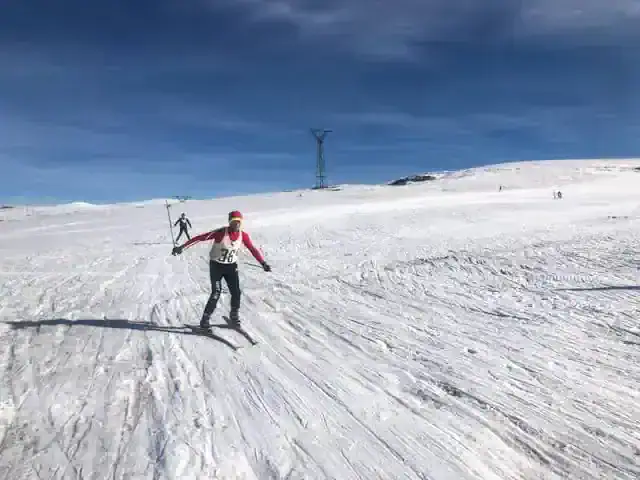
This small family-run sports centre and guesthouse in Ashotsk is run by the Mikayelyan family. The father, Artur, is a classic cross-country ski coach, the mother is Alla, and their sons ski for the national team. Ashotsk is one of the coldest places in Armenia, and its high, flat and treeless terrain is especially well suited to classic cross-country skiing. In January 2019 a larger EU-funded pavilion also opened here. Here you can learn classic cross-country skiing, try snowshoeing with equipment provided, go sledding, or take a short snowmobile or sled ride. Overnight stays are also available in private or dormitory rooms.
Akhuryan River Canyon Hiking

Akhuryan River Canyon

Shirak

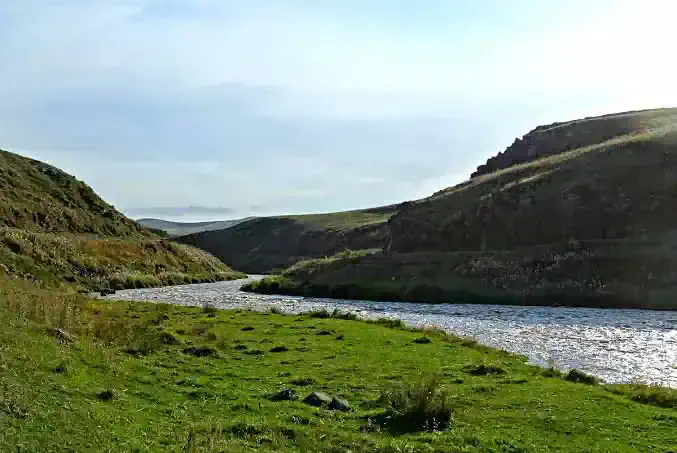
The Akhuryan River flows south from Lake Arpi along the closed Armenia–Turkey border, then widens into the Akhuryan Reservoir. Marmashen Monastery stands on the river's eastern bank. Here you can follow one of the riverside trails. On the eastern side you can spot birds such as black storks, lesser spotted eagles and kingfishers. You can also descend into the canyon from Vaghramaberd village, visit Marmashen Monastery and the ruins of a medieval bridge, or camp on the riverbank.

Gyumri Brewery Food

Gyumri Brewery

Shirak

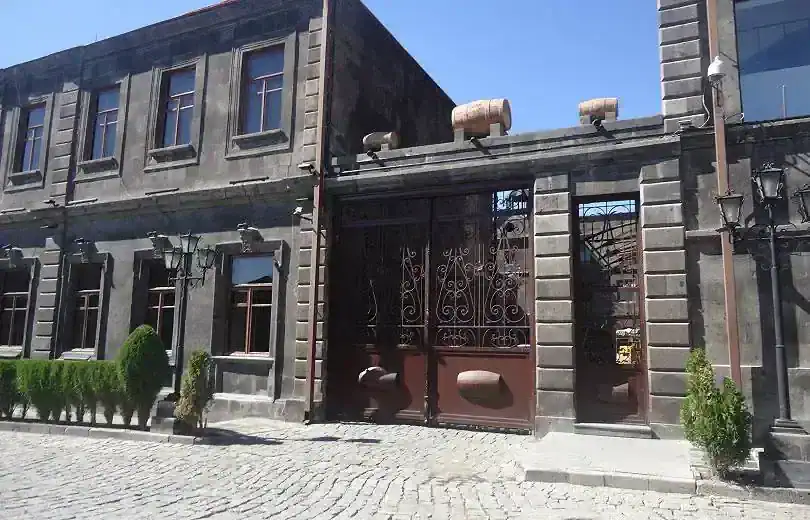
Founded in 1898 by Hamazasp Tsaghikyan, this is one of the oldest breweries in Armenia. It was established in what was then Alexandrapol and stands in Gyumri's historic Kumayri district. The brewery was heavily damaged in the 1988 earthquake but was later rebuilt. Today, the Gyumri-Garejur company produces beer under the Gyumri, Ararat and Alexandrapol brands. You can join a tour of the brewery, taste the beer and take part in a brewing master class.

Ashotsk Cheese Factory Food

Ashotsk Cheese Factory

Shirak

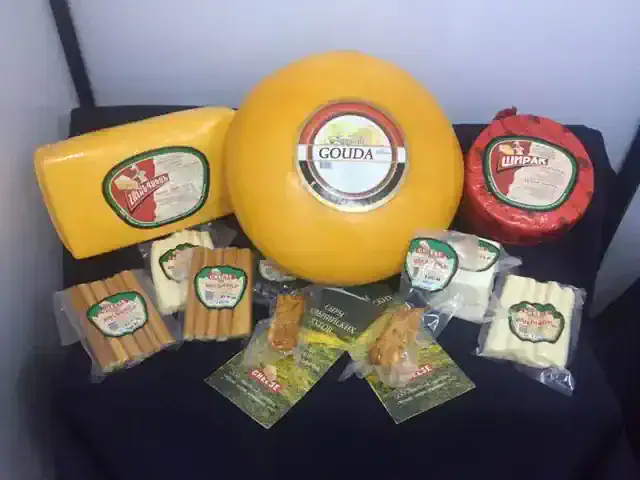
Ashotsk Cheese Factory was founded in 1976 in Shirak Province. Its location was chosen for the quality of milk from the surrounding high-altitude pastures, which is essential for making Swiss-style Emmental cheese. In Soviet times it was one of the leading producers of Emmental and, at its peak, supplied about 70% of the cheese sold in Moscow. The factory was damaged in the 1988 Spitak earthquake, then partially rebuilt and reopened in 1996. You can buy the various cheeses made here directly from the factory: Emmental, Gouda, Cheddar, Chanakh, Lori, Shirak, Suluguni and smoked Suluguni, as well as curd cheese.

Black Fortress Cultural

Black Fortress

Shirak

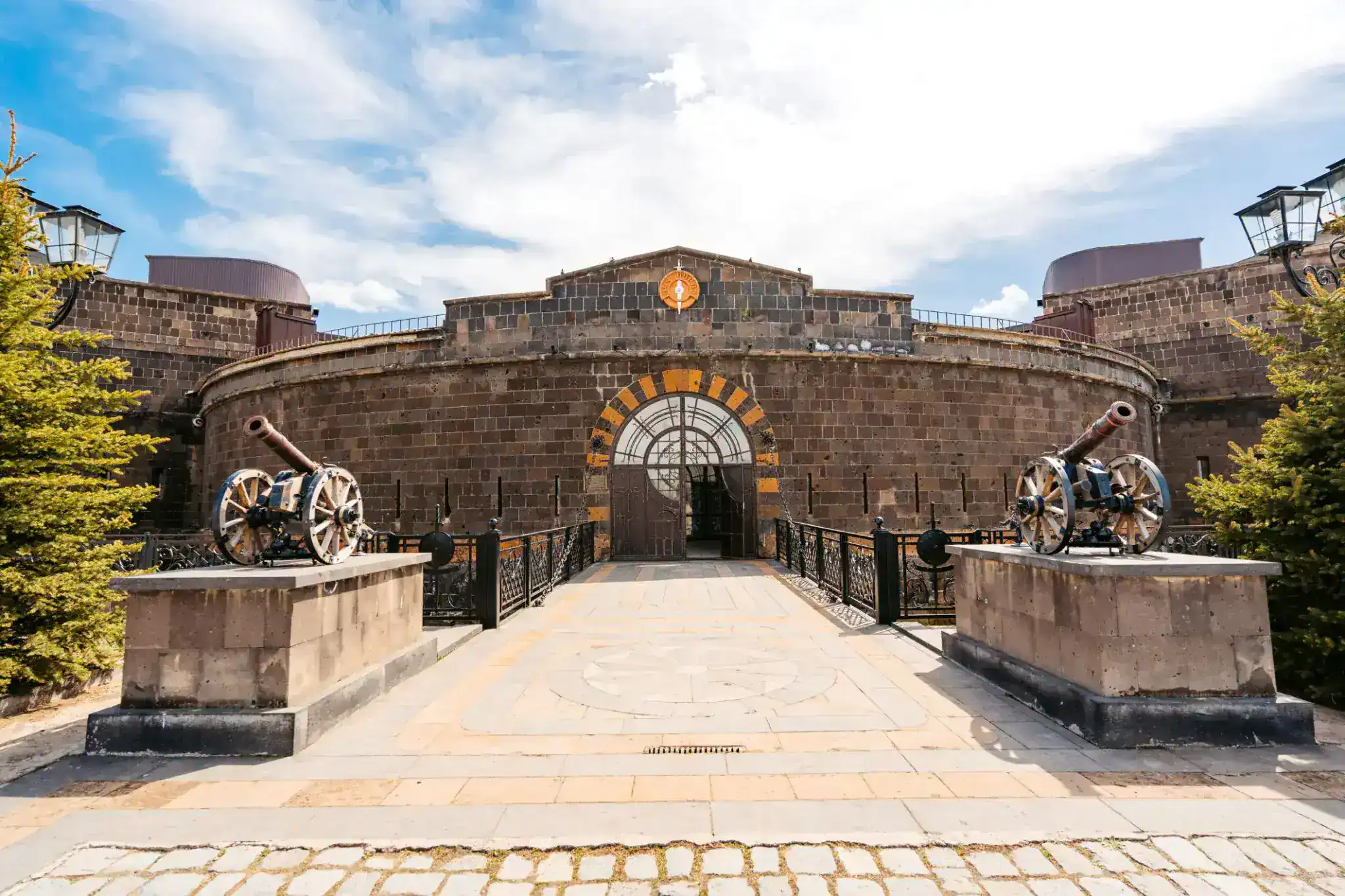
A circular 19th-century fortress on a hill in western Gyumri, built between 1834 and 1847 by the Russian Imperial Army from black volcanic tuff — the source of its name. It served as a military fortress and later a prison and munitions depot, was downgraded from first- to second-class status in 1878, and never saw a siege. Privately acquired in the 2000s, it has since been restored and repurposed as a cultural venue.

Kumayri historic district walk Cultural

Kumayri historic district walk

Shirak

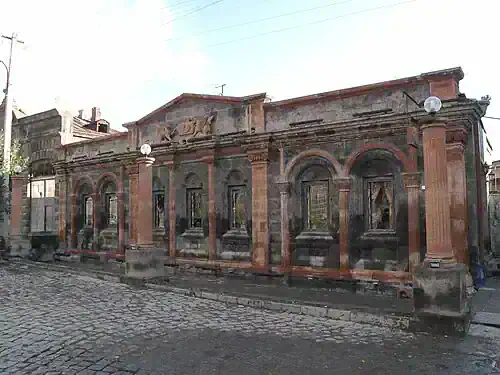
Kumayri is Gyumri's historic core, a name traced back to Urartian inscriptions and a Bagratid-era trading town, protected since 1980 as a historical and cultural heritage reserve. More than a thousand 19th- and 20th-century buildings built from local black and red tuff stone survived both the 1926 and 1988 earthquakes largely intact, making it one of the best-preserved traditional Armenian townscapes. What people can do there: Walk historic streets radiating from Vardanants Square — Abovyan, Shiraz, Rustaveli, and Jivani — past landmarks such as the Black Fortress (Sev Berd), Holy Saviour's Church, the Cathedral of the Holy Mother of God, the Dzitoghtsyan Museum of National Architecture, the Aslamazyan Sisters' Gallery, and the Hovhannes Shiraz House-Museum; photograph the tuff-stone facades; and stop at the restored Alexandrapol Brewery or TUMO Gyumri.

Fioletovo Molokan village experience Cultural

Fioletovo Molokan village experience

Lori

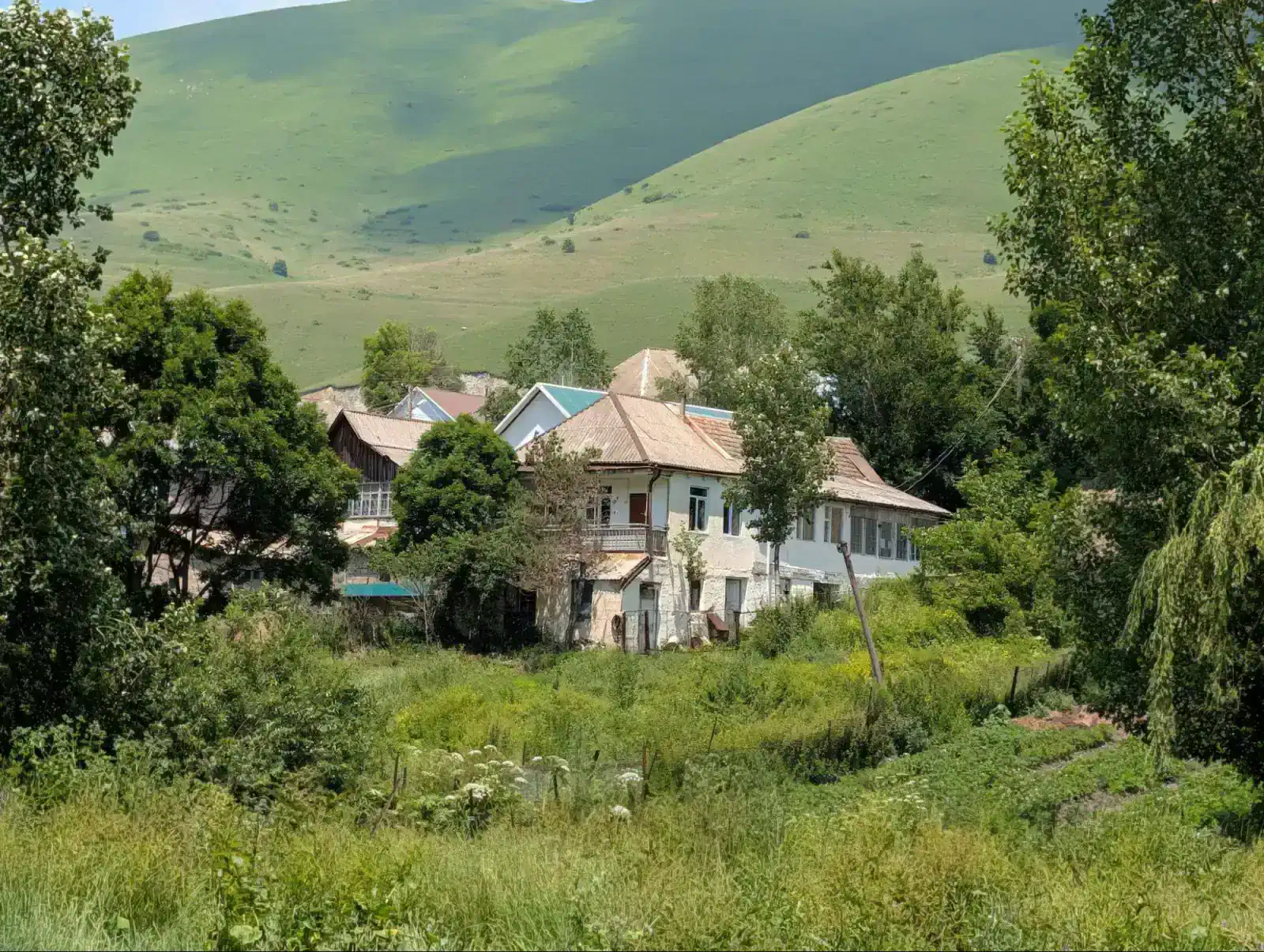
Fioletovo is Armenia's largest Molokan village, founded in 1842 by Russian Molokan exiles — a spiritual Christian sect that rejects icons and clergy hierarchy — under the name Nikitino before being renamed in 1936. Today home to about 1,200 residents across several congregations, it preserves a distinct Russian dialect, simple wooden architecture, and traditions such as cabbage fermenting, with a Molokan Heritage Museum that opened in 2023. What people can do there: Walk through the village to see its traditional Russian-style wooden houses, visit the Molokan Heritage Museum, and — through a bookable local experience — be hosted by a Molokan family for samovar tea, homemade pastries, and traditional dishes such as blini and pickled cabbage.

Stepanavan Dendropark walk Nature

Stepanavan Dendropark walk

Lori

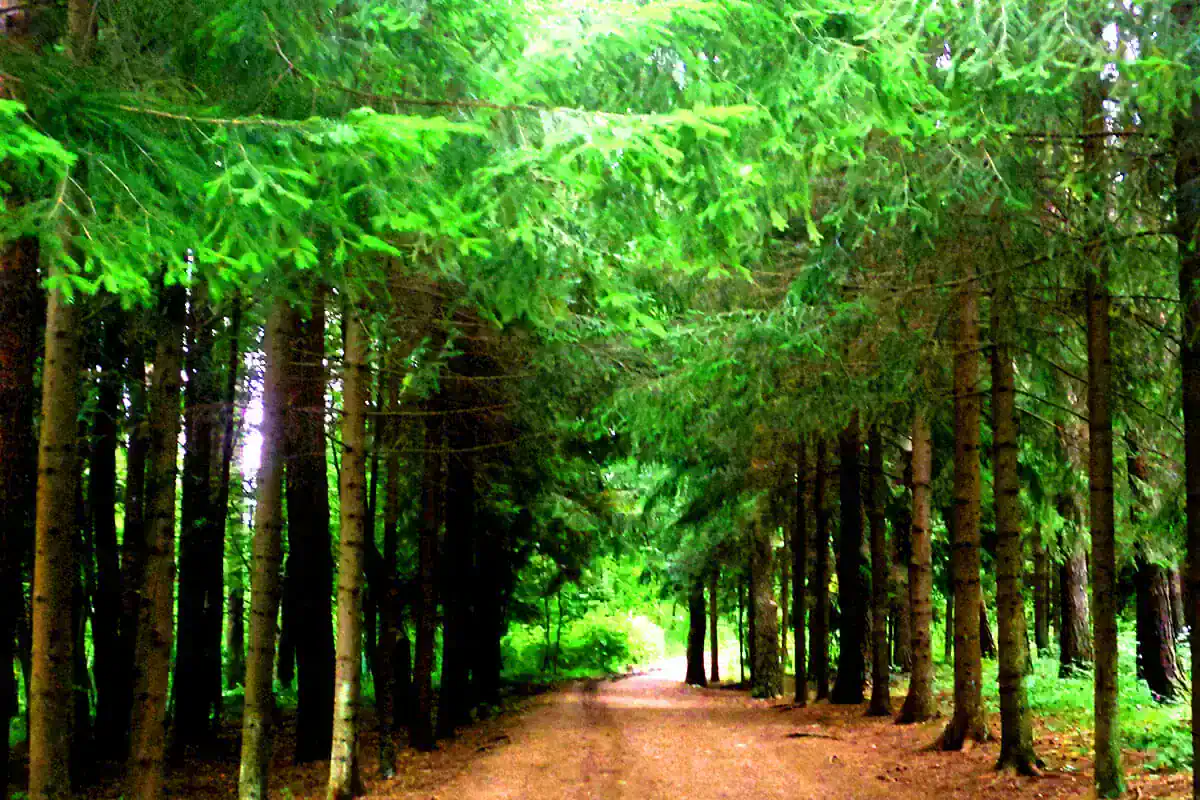
Founded in 1931 by Polish forester-engineer Edmund Leonowicz in Gyulagarak village near Stepanavan, this 35-hectare dendrological park — 17.5 hectares of natural forest alongside 15 hectares of ornamental plantings — has tested over 2,500 introduced plant species over its history, with roughly 500 non-native species, including a stand of giant California sequoias, still thriving today. It is one of the oldest and most significant arboreta in Armenia and the wider Transcaucasus region. What people can do there: Walk shaded trails past exotic and rare tree species from around the world, including the sequoia grove, cross the park's wooden "wish bridge," and picnic in the grounds

Plan my trip