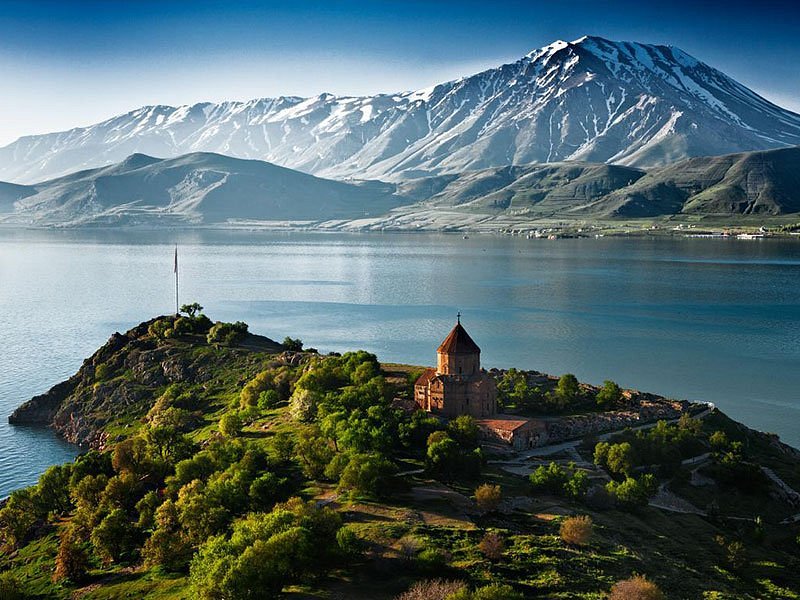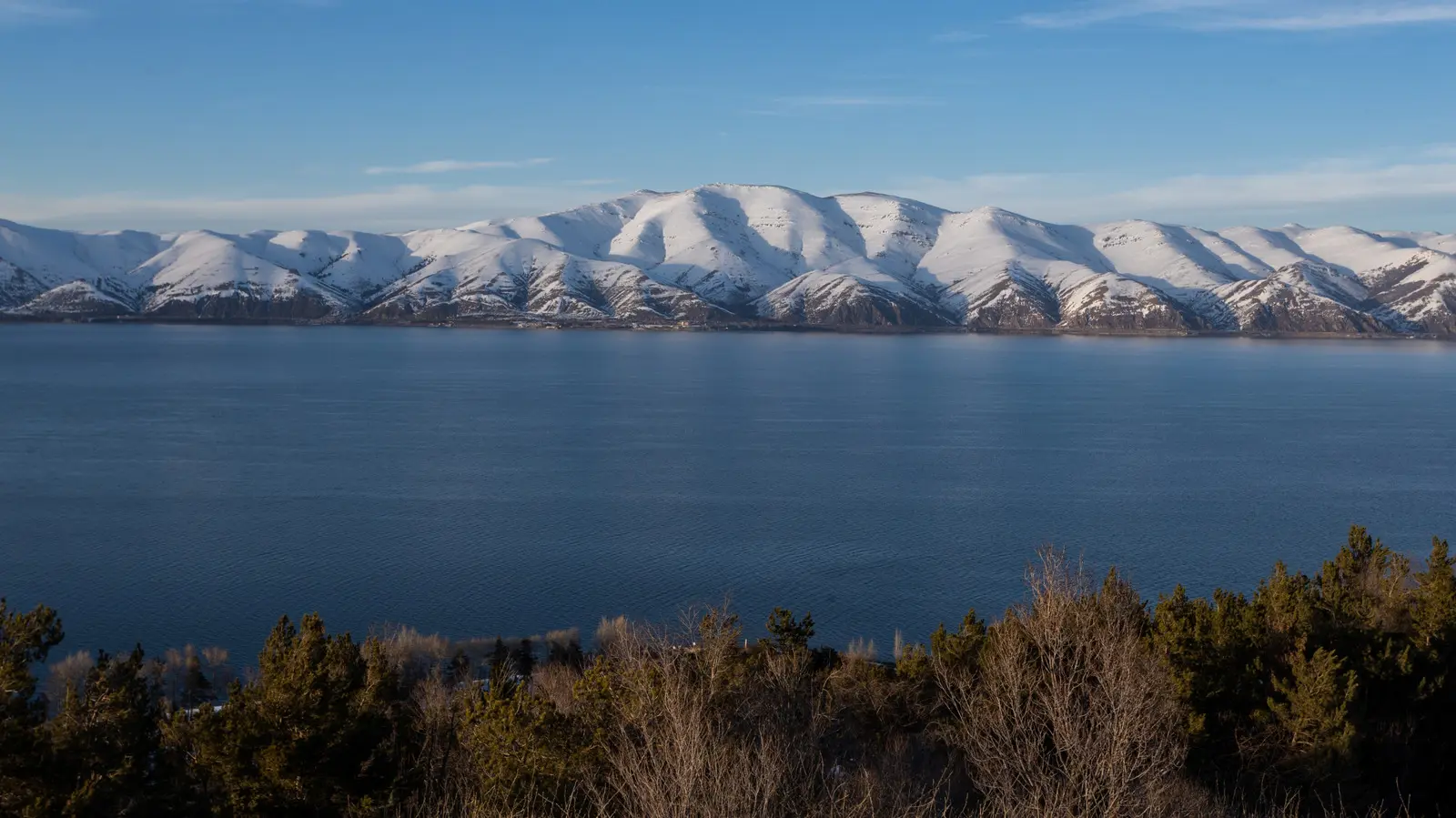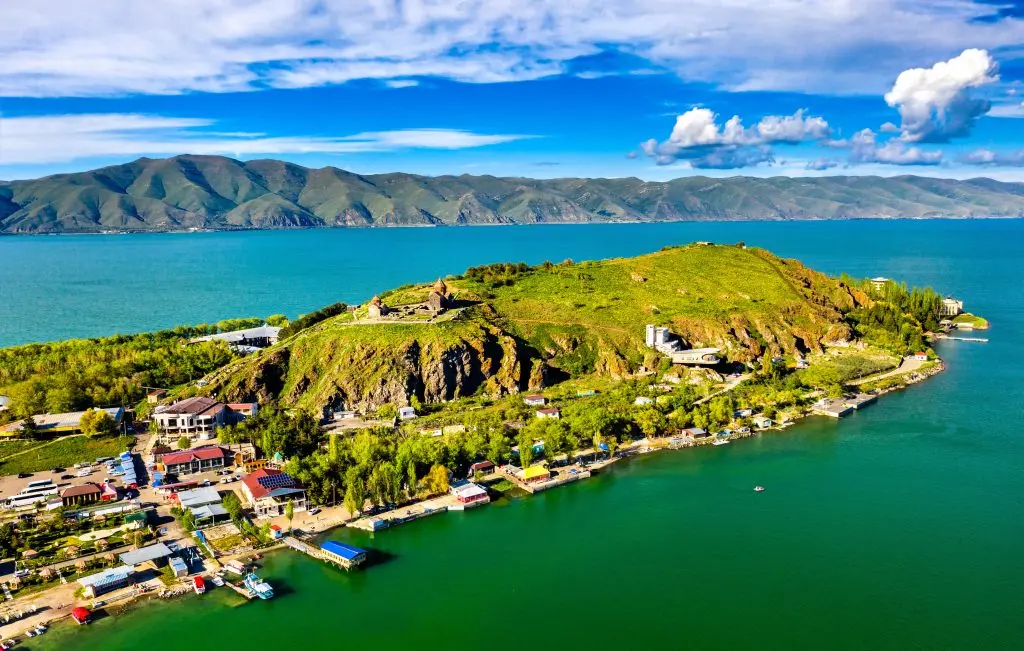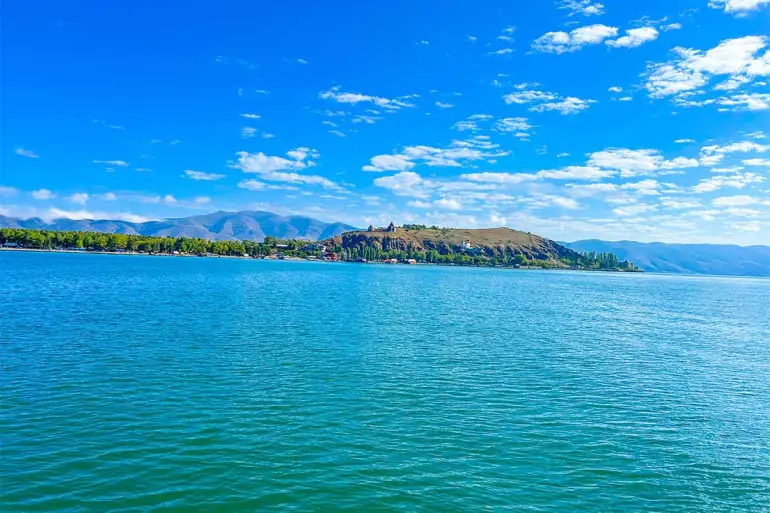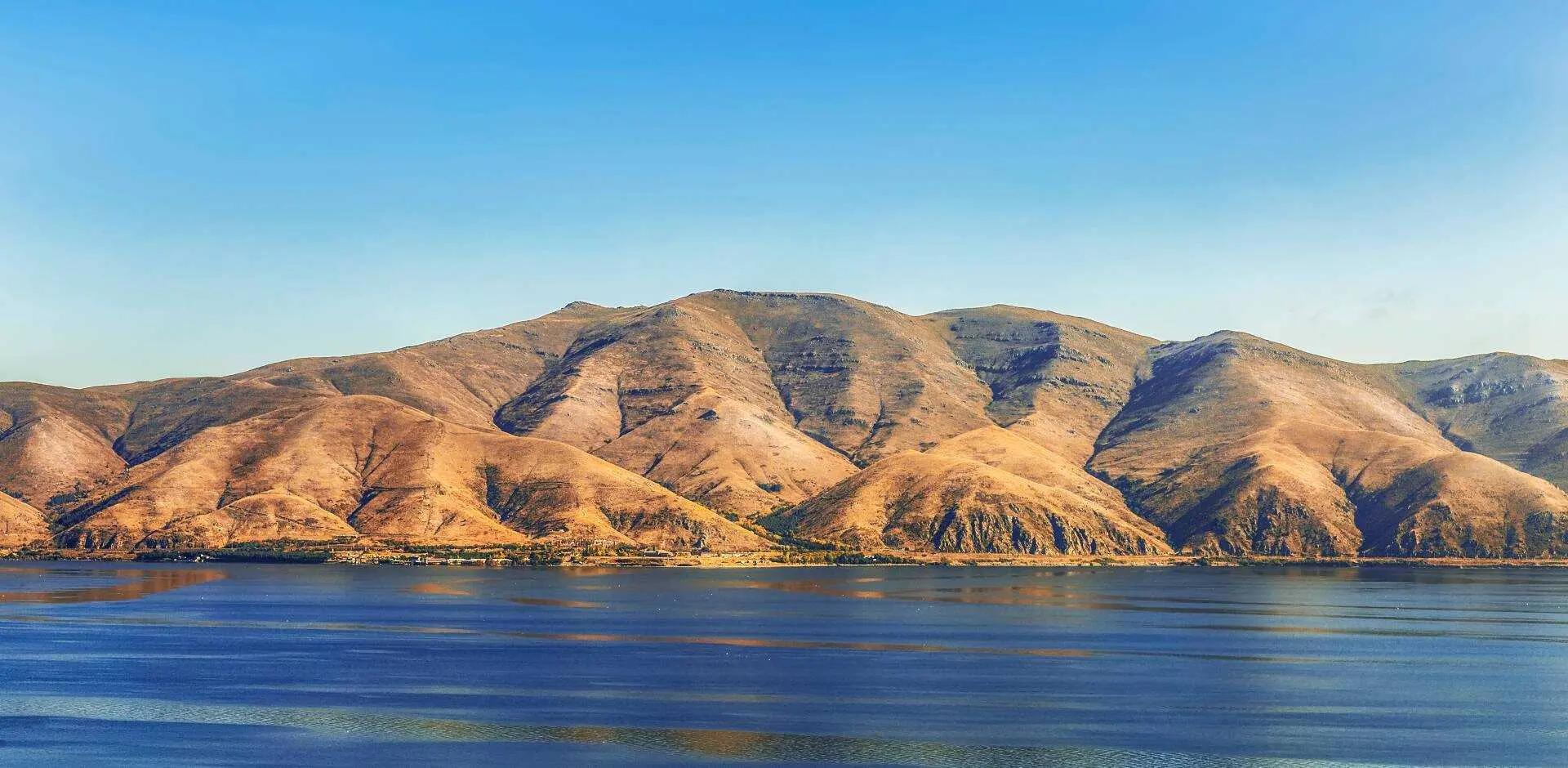
Lake Sevan is one of the world’s largest high-altitude freshwater lakes, a shimmering turquoise expanse situated 1,900 meters above sea level. Often called the "Blue Eye" of Armenia, it is framed by the towering Geghama and Vardenis mountains, serving as both a vital life source and a site of profound historical significance.
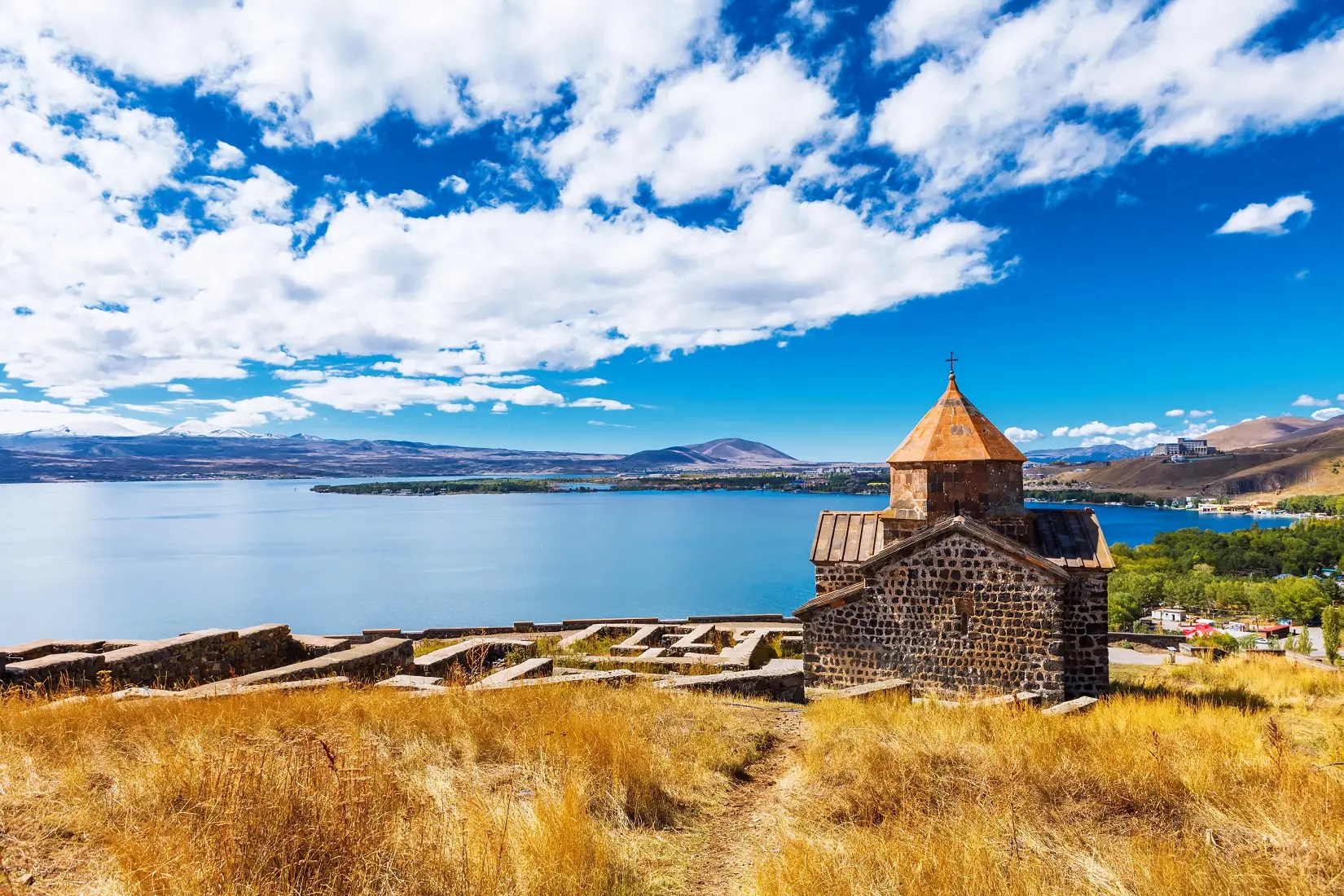
Steeped in medieval history, the lake was once a quiet getaway for royalty and clergy. The Sevanavank Monastery, founded in 874 AD by Princess Mariam, stands as a "living monument" on what was once an island. The surrounding shores are an archaeological treasure trove, home to the Bronze Age Lchashen settlement and the Noratus Cemetery, which preserves the world’s largest collection of medieval khachkars.
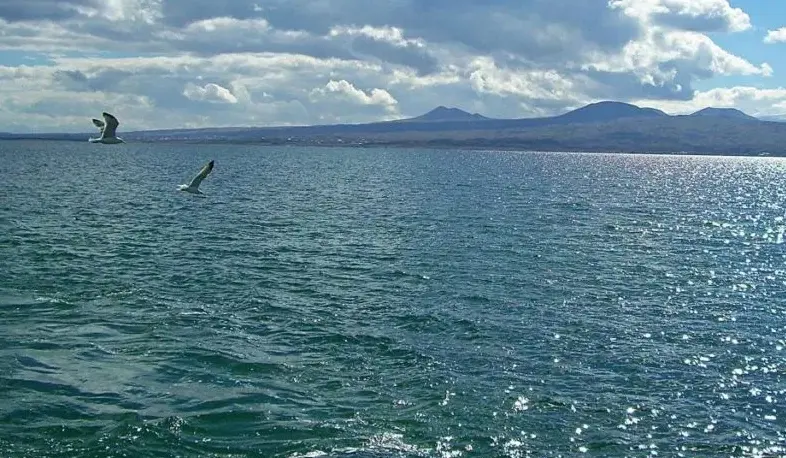
From a biological perspective, the lake is a safe home for rare and endemic species. It is the primary habitat for the Sevan Trout (Ishkhan), known as the "Prince of Fish," and the Armenian Gull, which maintains one of its largest breeding colonies here. Furthermore, the surrounding high-altitude alpine meadows and wetlands are essential to the ecological balance of the entire South Caucasus.
As of 2026, Lake Sevan remains a premier destination for eco-tourism and research. Protected by the Sevan National Park, it continues to symbolize Armenia's enduring connection to its land and water, offering a serene escape into a landscape revered for millennia.
Read more about Lake Sevan in our comprehensive blog.