The Khosrov Forest State Reserve is one of the oldest protected areas in the world, with a history dating back to the 4th century.
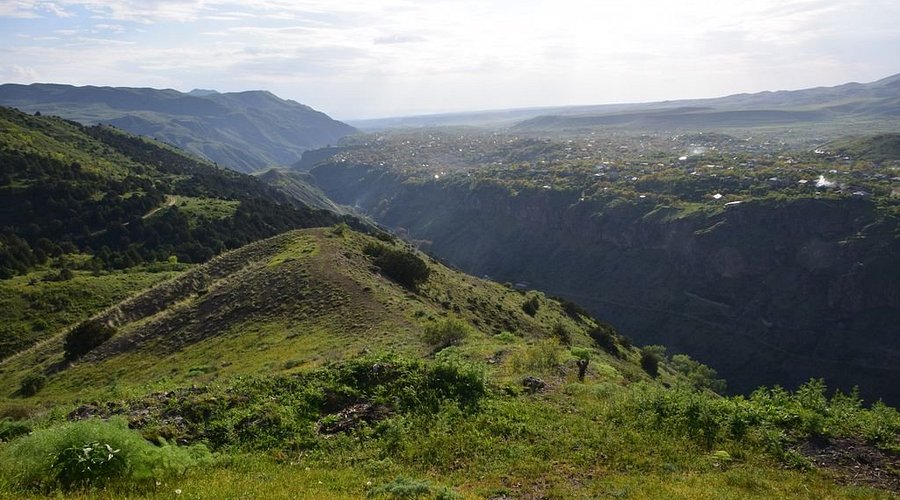
Located in the Ararat region of Armenia, it was established by King Khosrov III Kotak as a royal hunting ground and a sanctuary for wildlife. Spanning over 23,000 hectares along the slopes of the Geghama Mountains, the reserve is a striking landscape of deep canyons, arid volcanic plateaus, and ancient juniper forests that have remained largely untouched for centuries.
The reserve is steeped in royal history and is often referred to as the "King’s Forest." According to medieval chronicles, the King ordered the planting of thousands of trees to create a dense woodland that would serve the Armenian monarchy. This visionary act of conservation nearly 1,700 years ago has preserved a unique ecosystem where the rugged terrain meets a high level of biodiversity, making it a "living laboratory" for naturalists.
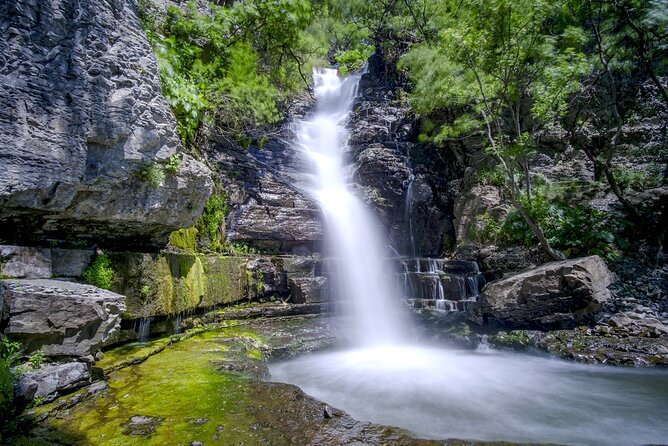
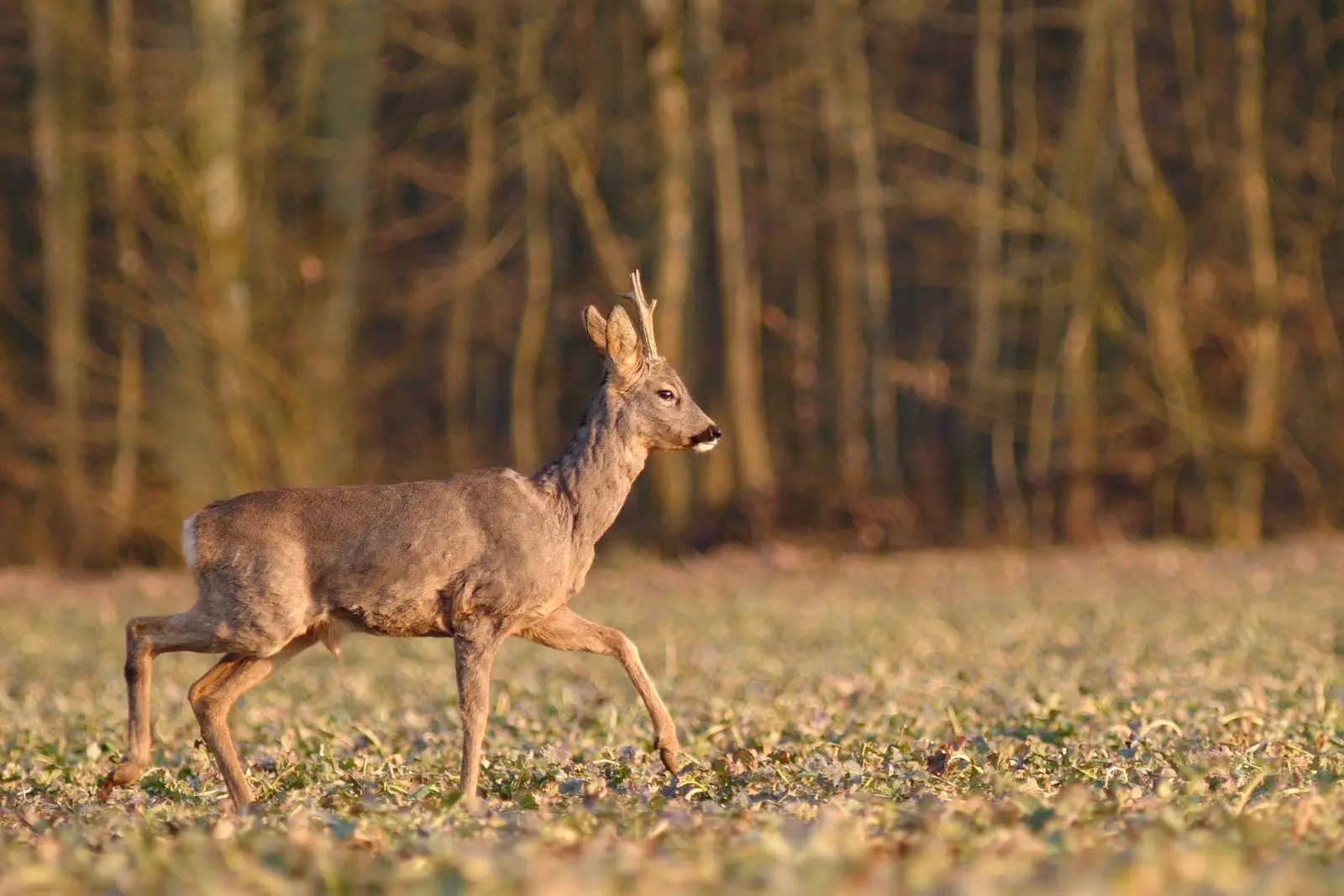
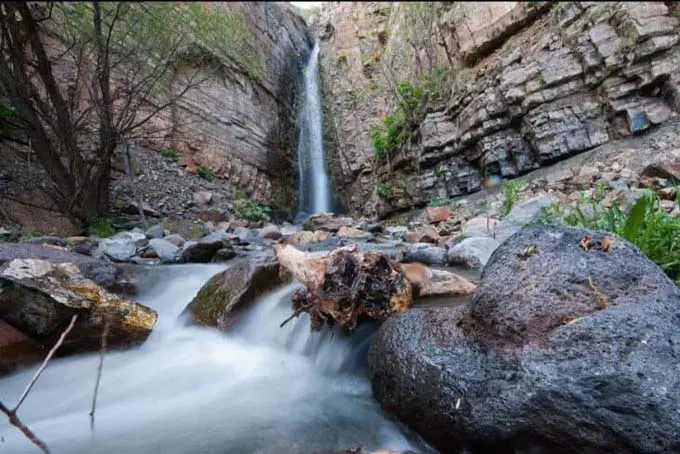
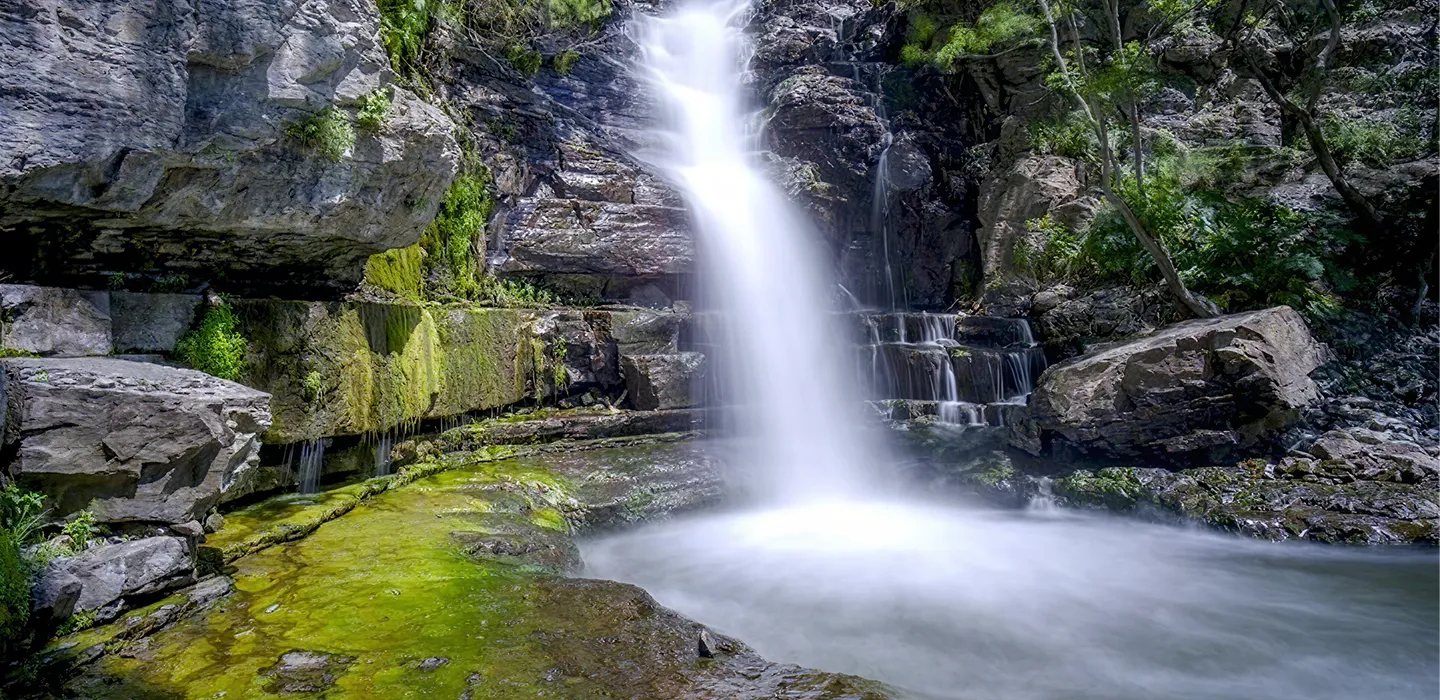
From a geological and biological perspective, the reserve is a sanctuary for rare and endangered species. It is one of the few remaining habitats for the Caucasian Leopard, the Bezoar goat, and the Armenian mouflon. The landscape is characterized by the dramatic gorges of the Azat and Khosrov rivers, where volcanic rock formations and hidden waterfalls—such as those named after the pagan gods Vahagn and Astghik—create a primordial atmosphere. The area's flora is equally significant, featuring rare Arborescent junipers and mountain oaks that are endemic to the Armenian Highland.
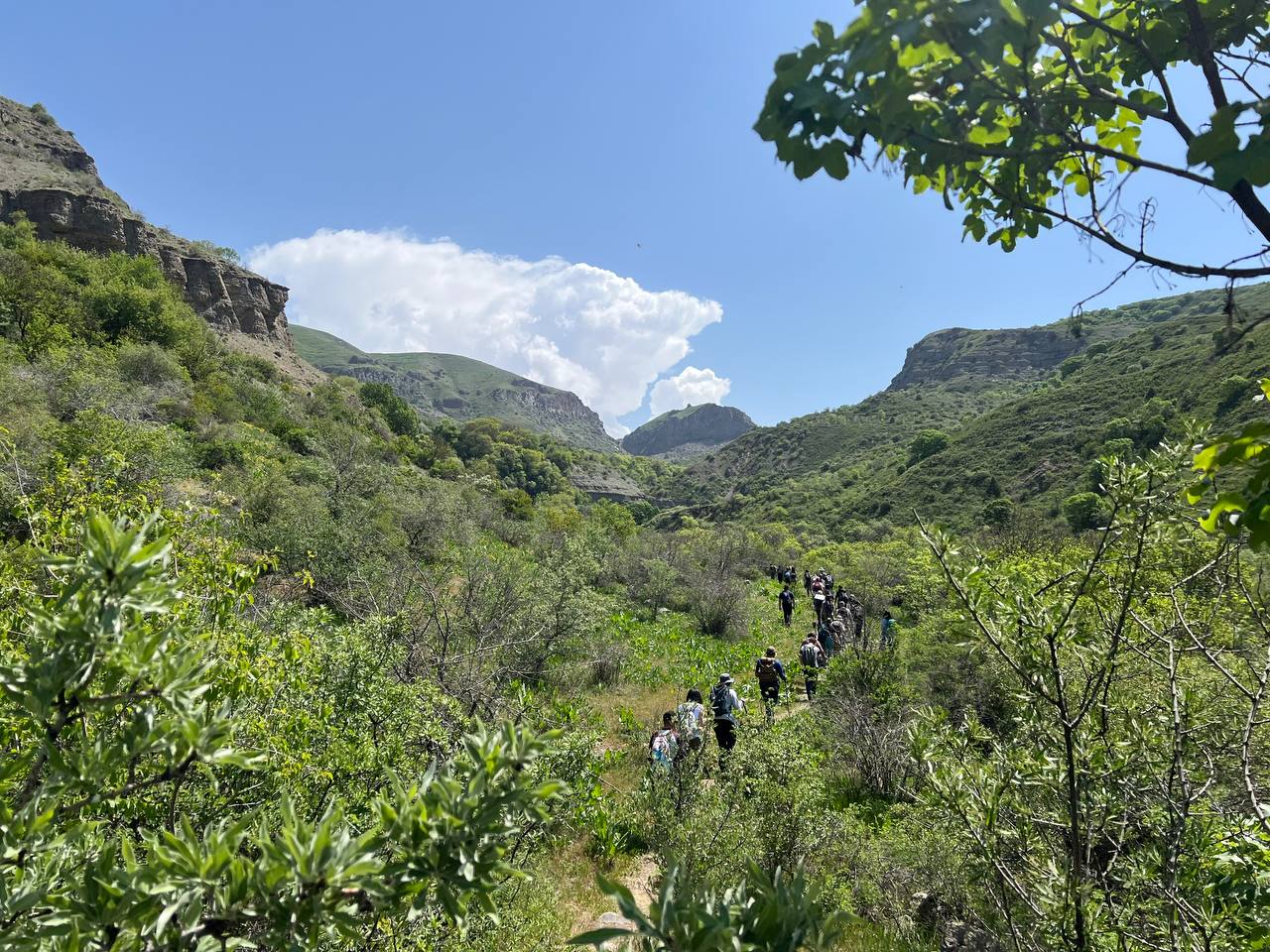
As of 2026, Khosrov Forest remains a premier destination for eco-tourism and scientific research, balancing strict conservation with immersive nature experiences. While the core zones are highly protected, designated trails allow hikers to explore the ruins of the Havuts Tar Monastery and the Aghjots Vank, both of which sit in silent harmony with the surrounding wilderness. The reserve continues to be a symbol of Armenia's enduring connection to the land, offering a serene escape into a landscape that has been protected by kings and nature alike.
The slopes of the reserve also hold immense archaeological value. Beyond its medieval monasteries, the territory is dotted with the remains of ancient settlements, pagan altars, and the formidable Kakavaberd Fortress. Perched atop a ridge overlooking the Azat River, the fortress served as a strategic stronghold for the Pahlavuni noble family. Its proximity to Garni and its status as a UNESCO World Heritage site (as part of the Azat Valley) make it one of the most historically rich and visually stunning natural monuments in the South Caucasus.