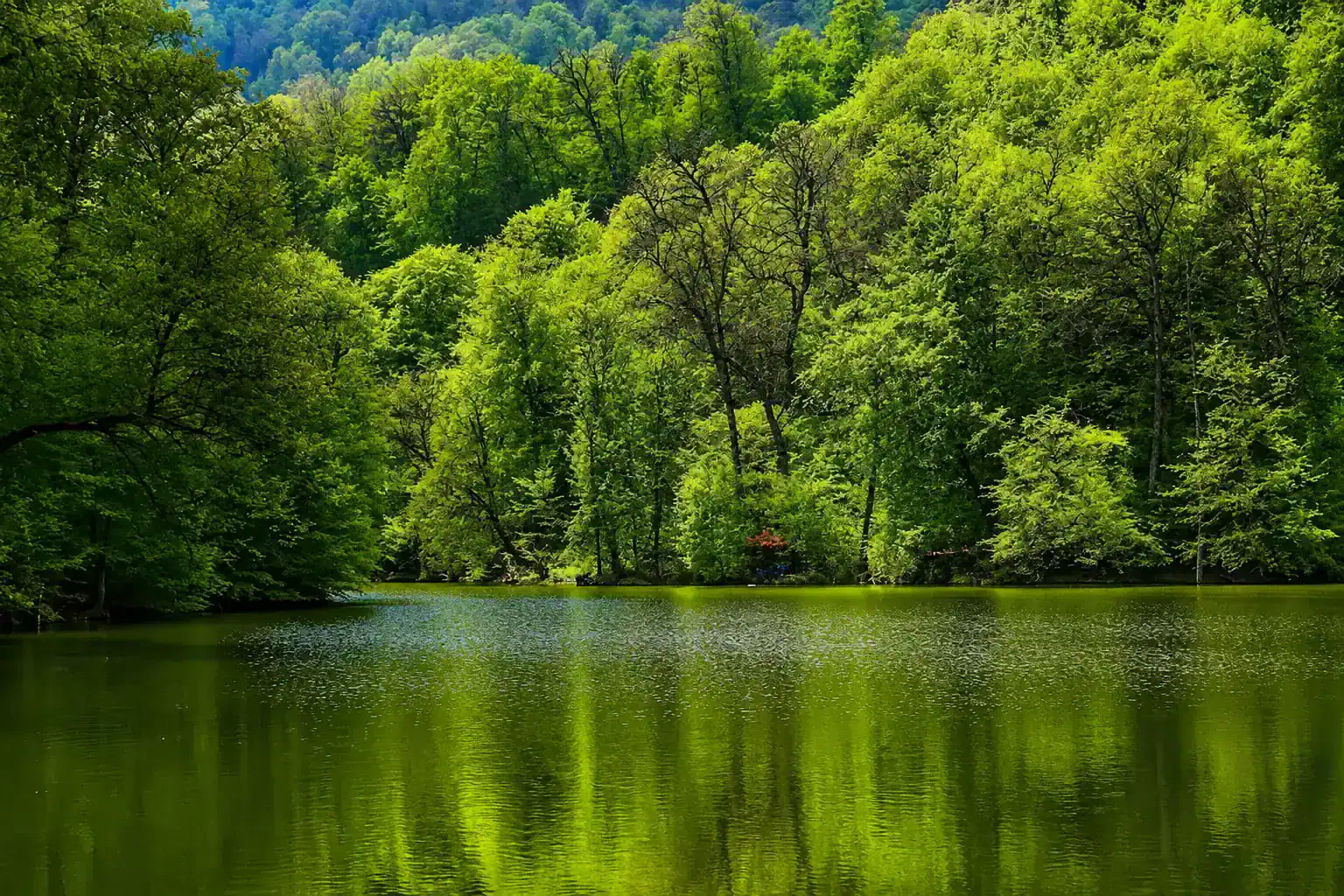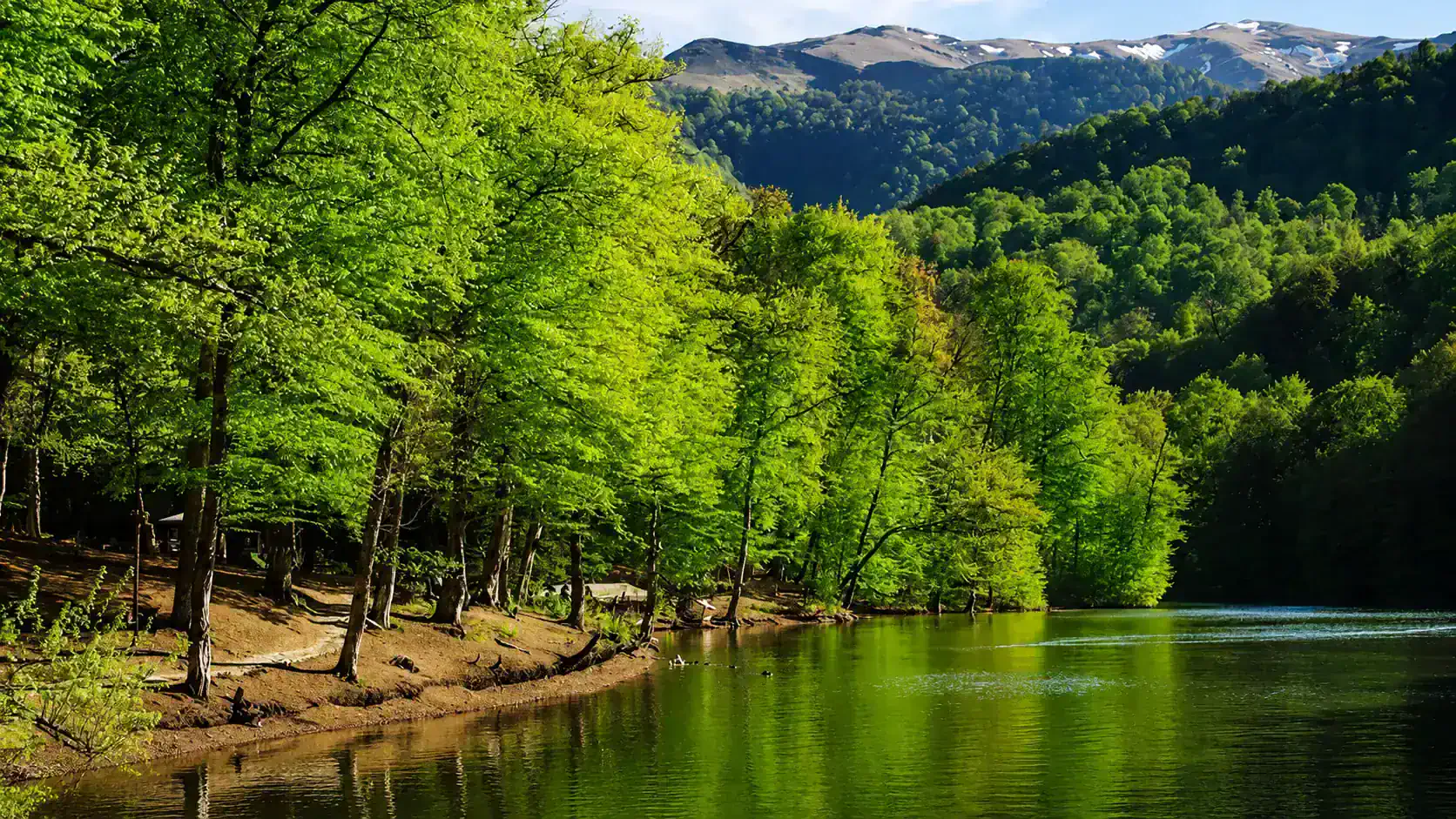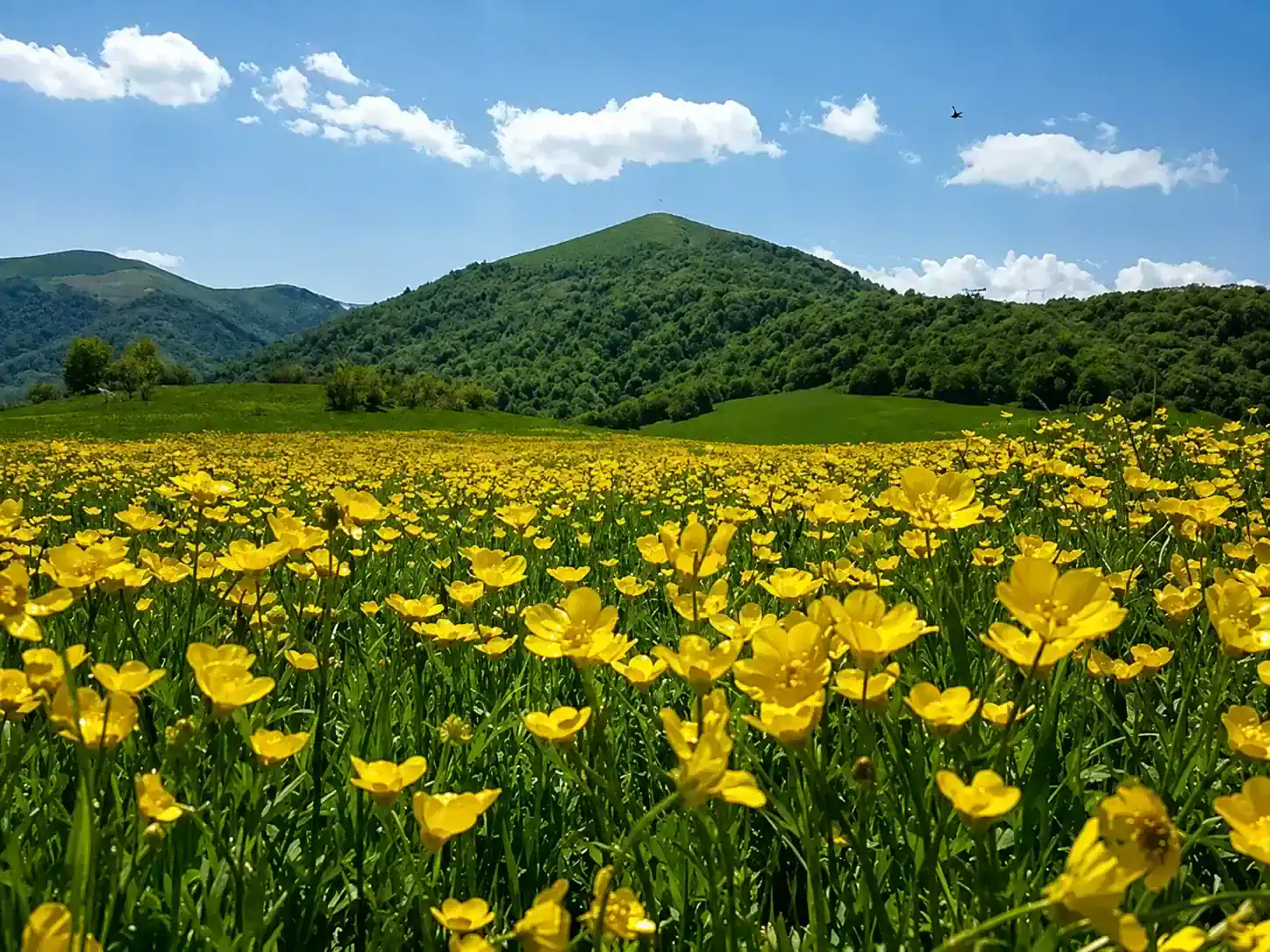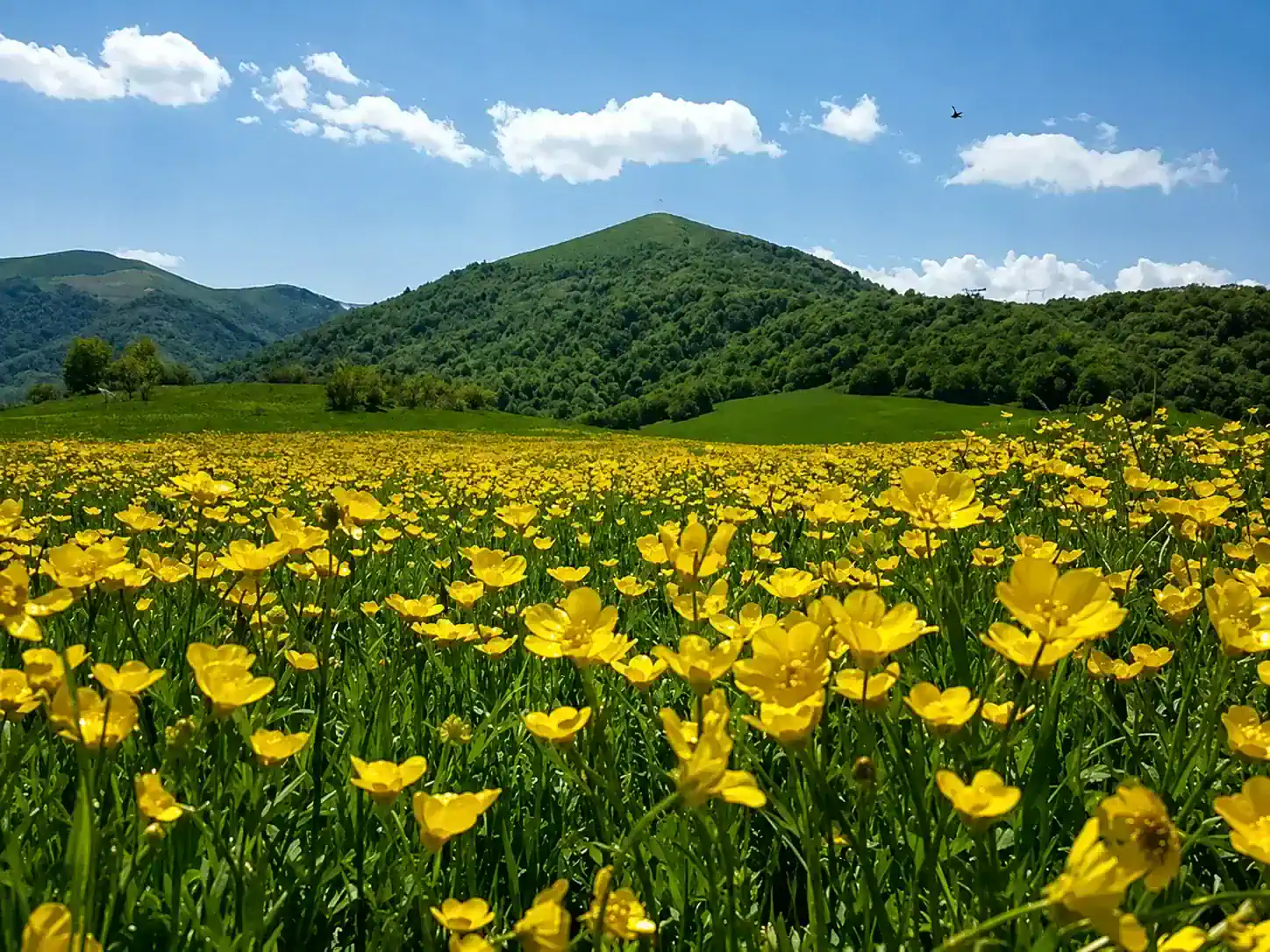
Dilijan National Park lies in northeastern Armenia, mainly in the Tavush region, with smaller portions in Lori and Gegharkunik. It currently covers 33,765 hectares, spanning elevations of about 1,070–2,900 m, and includes forested slopes, river valleys, rocky sections, lakes, and meadows.
Protection began in 1958 with the creation of the Dilijan State Reserve, aimed largely at preserving the local beech and oak forests and rare, relict vegetation. About 1,150 vascular plant species have been recorded, 17 listed in Armenia's Red Book and 14 endemic at various levels; the forests are dominated by oriental beech, Georgian oak, and Caucasian oak.
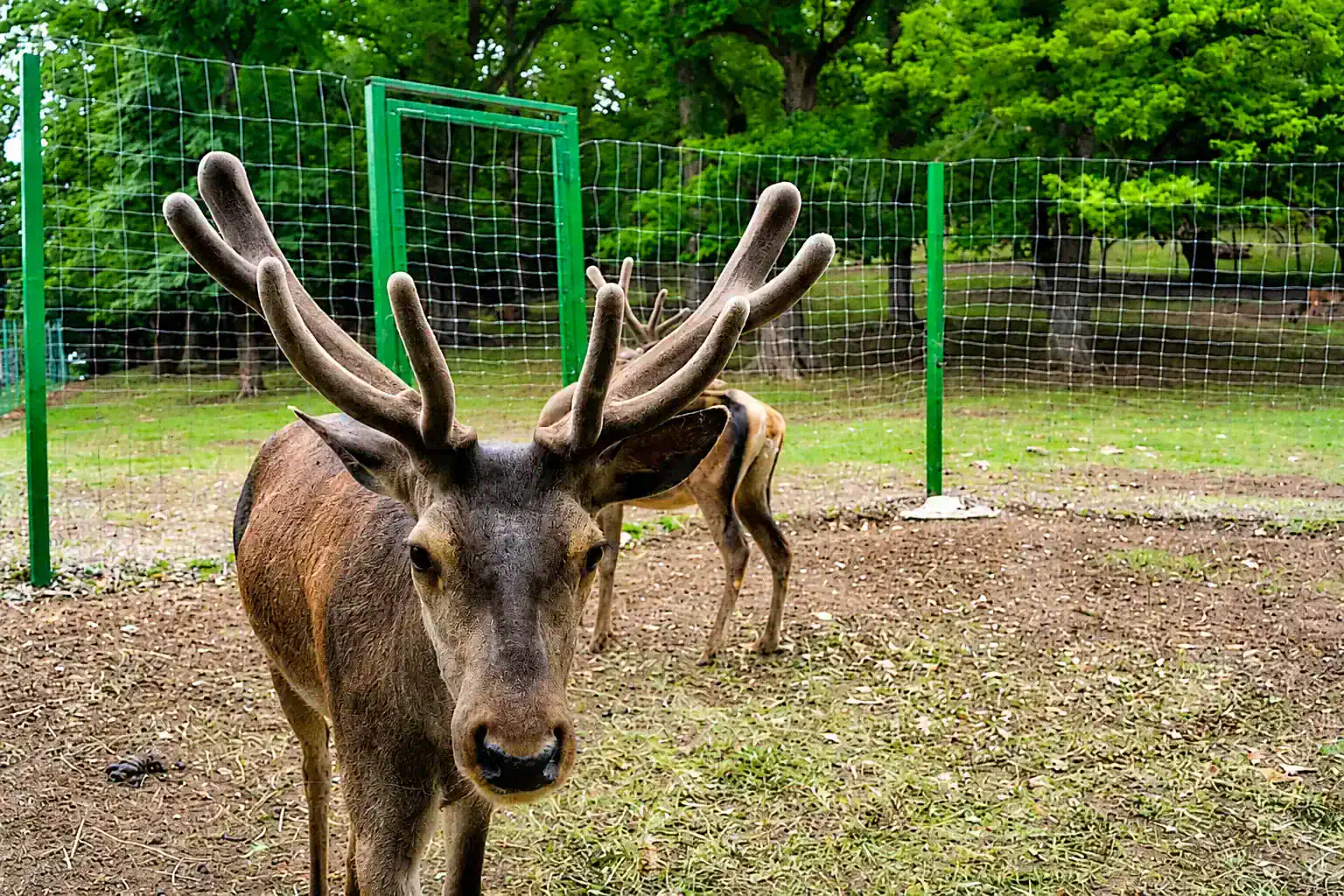
The Aghstev River and its tributaries flow through the park, with Lake Parz and Lake Gosh among its key water features. Together with the beech forests of Haghartsin, the oak groves of Khacharzat, pine stands, and the juniper grove of Aghavnavank, these form ecosystems especially important to the park's biodiversity. A 2022 study recorded 286 vertebrate species, including about 190 birds and 55 mammals; monitored large mammals include the brown bear, European lynx, grey wolf, roe deer, and wild boar.